

How To Have Internet Access In Costa Rica During Your Visit: A Traveler’s Guide


When traveling to Costa Rica, staying connected to the internet is often a top priority for tourists. Whether you need to check maps, stay in touch with loved ones, or simply browse the web for travel information, having reliable internet access is essential. This guide is designed for travelers who are visiting Costa Rica temporarily and are looking for cost-effective ways to access the internet during their stay. We’ll explore various options, including local pre-paid services and roaming home services, to help you stay connected without breaking the bank.
How to Have Internet Access in Costa Rica
1. Using Your Home Country’s Cell Phone Provider:
Some travelers may attempt to use their home country’s cell phone provider while in Costa Rica. Before doing so, it’s crucial to contact your provider to understand their international roaming policies and rates. While this can be convenient, it often comes with high roaming charges for calls, text messages, and data usage. Additionally, network coverage may be limited, leading to potential connectivity issues in certain areas of Costa Rica. To minimize costs and ensure a reliable connection, it’s recommended to check if your provider offers international roaming packages, prices, coverage and limitations. Please contact your local service provider to ensure of this details before you make any decision.
2. Local Pre-Paid Services:

Local SIM Cards: One of the most cost-effective ways to access the internet in Costa Rica is by purchasing a local SIM card. You can easily find SIM cards from providers like Kolbi, Claro, and Movistar at the airport (please check your arrival time, may be close at that time), convenience stores, or local shops. These SIM cards typically offer data packages suitable for tourists at affordable rates.
When opting for a prepaid SIM card in Costa Rica, travelers should consider the following factors:
Compatibility: Ensure that your smartphone is unlocked and compatible with the network frequencies used in Costa Rica. Most modern unlocked phones should work, but it’s best to check with your device manufacturer.
Band | Frequency |
2G | B3 (1800) |
3G | B1 (2100), B5 (850) |
4G | B3 (1900), B7 (2600) |
Costa Rica Bands and frequencies
Network Coverage: Different carriers may have varying coverage in different regions of Costa Rica. Research which carrier offers the best coverage for your intended destinations. Kolbi is the one with major coverage in Costa Rica.
Activation Process: Some carriers may require registration and activation. Make sure you understand the process and have the necessary identification documents.
Phone Unlocking: If your phone is locked to a specific carrier, consider unlocking it before your trip. This will allow you to use SIM cards from different carriers.
Data Roaming: If you’re planning to visit other countries in the region, inquire if your prepaid SIM card offers data roaming services and understand the associated costs. For example, Claro Sin Fronteras, even in a prepaid package, allows you to have internet data, messages, and calls in other Central American countries like Nicaragua and Panamá for the same price, but Kolbi does not offer that service for prepaid SIMs.
Keep Your Original SIM: If your phone has only one slot for the physical SIM card, you must replace the SIM card, and the original SIM card should be kept in a secure place. Don’t lose it so that you can reinstall it once you return home.
Tip: If your are traveling with someone else, consider to buy 2 prepaid SIM cards from different providers to ensure a better coverage on the country, for example 1 Kolbi and 1 Liberty or 1 Kolbi and 1 Claro.
3. E-SIM Cards:

An eSIM is a connection to a phone provider that uses a chip built in to your phone, rather than a physical SIM that you need to insert. When you buy an eSIM, what you’re actually buying is a short contract with a telco that will use this permanent chip within your phone to connect you.
Some smartphones support e-SIM cards, which allow you to activate a local data plan electronically without the need for a physical SIM card.
For the tech-savvy traveler, E-SIM cards are a modern solution that eliminates the need for a physical SIM card. With E-SIMs, you can conveniently activate a local data plan electronically on your smartphone. However, before diving into this option, there are a few important considerations to keep in mind:
1. Device Compatibility: Ensure that your smartphone supports E-SIM functionality. While an increasing number of phones do, it’s essential to check with your device’s manufacturer or your carrier to confirm compatibility.
2. Network Coverage: Research the network coverage of E-SIM providers in Costa Rica. Some areas may have better coverage with specific carriers, so it’s wise to choose one that offers reliable service in your intended travel destinations.
3. E-SIM Activation: Understand the activation process for E-SIM cards. Typically, you’ll need to scan a QR code provided by the E-SIM provider or follow their instructions to activate the digital SIM on your device. This activation process can be executed previos to your arrive date.
4. Data Plans: Compare the available data plans offered by E-SIM providers. Look for plans that match your data needs during your stay in Costa Rica. Consider whether you’ll primarily use data for browsing, navigation, or streaming.
5. ESim limitations: Phone calls and text messages may be not included on eSIM plans, normally is more common to internet data service. Also some service provider limited the use of hotspot functionality to share the internet with other phones, so please read carefully the details on the provider web site.
The best eSIM providers for travel:
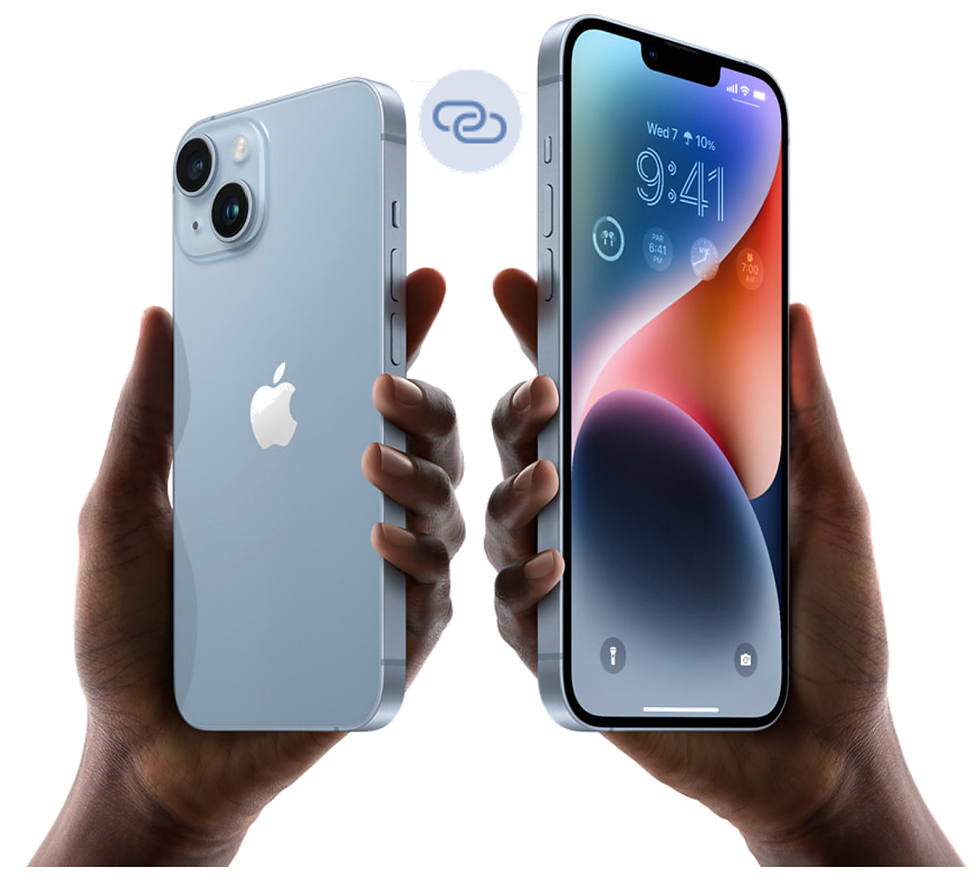
Tip: If your eSIM service provider do not allows the hotspot, try to link your phone by the capability to connect through a feature in the proprietary operating system, for example iphone can link it and share services like the wifi connection.
4. Local free wifi services

Hotel Wi-Fi : Many hotels, accommodations, restaurants and shopping centers in Costa Rica offer free Wi-Fi access. This is a convenient option if you plan to use the internet primarily while at your lodging or meals. For Hotels and accommodations make sure to inquire about Wi-Fi availability and any potential fees. In additional, take in consideration that most of the free wifi options ask you to provide a email account to login in the service or even have a specific time limit like 1 hour of free wifi connection. Also, this option is going to be effective once you get to the location but during your traveling or road trip you will not have any internet connection.
Some of these options offer weak signals or may be saturated by the number of users. In addition, sometimes they represent security risks due to lack of privacy policies, so it is necessary to take appropriate measures.
Portable Wi-Fi Devices: Consider renting a portable Wi-Fi device, also known as a pocket Wi-Fi or mobile hotspot. These devices provide internet access to multiple devices simultaneously and are a great choice for families or groups traveling together. Normally rent a cars or even Hotels offers this option for travelers for a extra fee.
Tip: Be careful with the use because if you drain it too fast you will run out of service soon and maybe need to buy more data during your trip. Ensure to cover all this details with your services provider.
Staying connected in Costa Rica doesn’t have to be complicated or expensive. With the options outlined in this guide, you can choose the method that best fits your travel style and budget.
In my personal experience, I recommend using an eSIM upon your arrival for the first couple of days to avoid the stress of being disconnected while urgently searching for a place to buy a physical SIM card. Then, on the second or third day, take the time to purchase a prepaid SIM because they are very affordable in Costa Rica compared to other services around the world.

Whether you opt for a local SIM card, portable Wi-Fi device, or rely on locals free Wi-Fi, you’ll have no trouble enjoying all that Costa Rica has to offer while staying connected to the digital world. So, pack your bags and get ready to explore this beautiful country with ease.



Comentarios